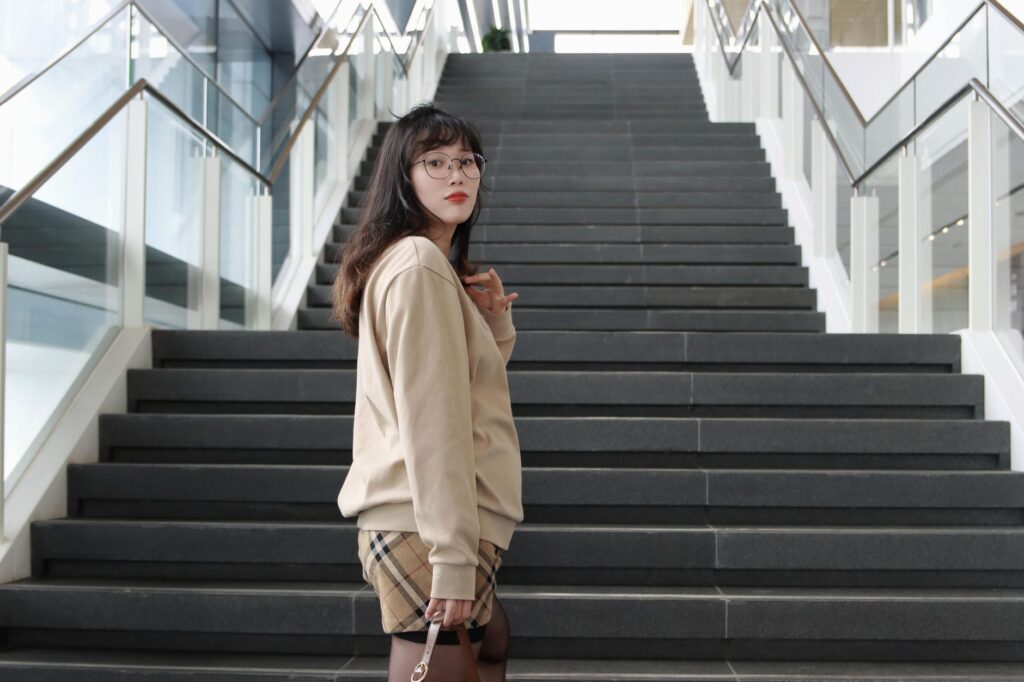
For decades, Western fashion retailers dominated the global marketplace, forcing anyone outside Europe and North America to either import expensive pieces or settle for locally available alternatives. YesStyle disrupted that dynamic by making Asian fashion, specifically Korean and Japanese designs, accessible, affordable and delivered worldwide. What started as a niche shopping platform has become a global phenomenon that redefined what contemporary fashion means for millions of people seeking alternatives to Western retail dominance.
The Asian Fashion Aesthetic
“Discover how YesStyle makes premium Asian fashion accessible globally—Korean and Japanese design with quality and value that challenges Western retail.”
Asian fashion design operates under different principles than Western streetwear. This platform specializes in Korean and Japanese aesthetics that prioritize thoughtful layering, interesting silhouettes and careful color coordination. Rather than the oversized-everything mentality dominating Western casual wear, these designers embrace fitted pieces that actually acknowledge the wearer’s body proportions. Their designs balance tailoring with comfort, creating pieces that look intentional without sacrificing wearability.
The color palettes reflect different cultural sensibilities too. While Western fashion cycles through seasonal trends, Asian designers explore subtle gradations between neutrals, unexpected color pairings and how pieces interact when styled together. Shopping these collections introduces your wardrobe to visual possibilities you might not discover through Western retailers alone.
Quality at Accessible Price Points
One revelation most customers experience is how much better quality costs when production happens in Asia with efficient supply chains. You purchase garments made with similar materials and manufacturing standards as Western brands charging triple the price. A beautiful blouse featuring interesting details costs fifteen dollars instead of forty-five. Structured denim that’ll last seasons costs thirty dollars instead of eighty.
This pricing differential isn’t about cheap labor exploitation; it’s about efficient logistics and lower overhead costs. When a retailer sources directly from manufacturers, eliminates middlemen and sells primarily through digital channels, savings compound. Rather than hoarding those savings as profit, the brand passes them to customers. You benefit from serious value without guilt about labor practices or quality compromises.
Fashion Diversity and Size Inclusion

- Extended size ranges including Asian sizing and Western sizing options so everyone finds pieces that fit properly.
- Style diversity spanning from casual everyday wear to formal occasion pieces and everything between.
- Seasonal collections from Korean and Japanese brands showcasing different design perspectives and trends.
- Accessories that complete looks, from jewelry to bags to shoes sourced from multiple Asian designers.
- Collaborations with emerging designers bringing fresh voices and perspectives to contemporary fashion.
The Shopping Experience Evolution
Traditional department stores operate under business models optimized for physical retail space. This platform exists entirely online, removing overhead that gets passed to consumers in conventional shopping. Their website features detailed product photography from multiple angles so you can assess fit and details thoroughly. Customer reviews include photos showing how items actually look on different body types and heights. This transparency eliminates the guessing game that plagues most online shopping.
Returns and customer service reflect commitment to customer satisfaction over profit maximization. If something doesn’t fit or meet expectations, returns are handled straightforwardly. The approach understands that building long-term customer relationships matters more than squeezing maximum profit from individual transactions. This creates a trusting relationship that transforms casual shoppers into repeat customers and advocates.
Trend Curation Without Constant Pressure
Fast-fashion retailers release new collections constantly, creating artificial urgency and pressure to buy immediately or miss out. This alternative operates differently, featuring pieces selected for quality and style rather than racing to trends. You’ll notice styles remain available for reasonable periods, allowing time to actually think about whether you want something rather than impulse-buying out of FOMO. Visit YesStyle to explore how this curation approach changes shopping.
The editorial content on their platform educates customers about styling and fashion without pushy sales tactics. How to layer pieces. Which silhouettes work for different body types. How to adapt pieces across seasons. This approach treats shopping as education rather than consumption. Customers leave not just with purchases but with expanded understanding of how to dress themselves thoughtfully.
Cultural Exchange Through Fashion
Shopping from this platform represents cultural exchange at the consumer level. You’re wearing garments designed in Seoul or Tokyo, created by designers thinking about different aesthetics than your local fashion ecosystem. This exposure expands your visual language and introduces design possibilities you might never discover otherwise. Over time, your wardrobe reflects global influences rather than just local and Western trends.
This matters beyond individual satisfaction. It signals to the global fashion industry that Western dominance isn’t inevitable. When millions of people choose Korean and Japanese fashion, it amplifies those designers’ influence, creates opportunities for more Asian creatives and pushes Western brands to elevate their game or risk irrelevance in a truly global marketplace.
Sustainability Through Thoughtful Design
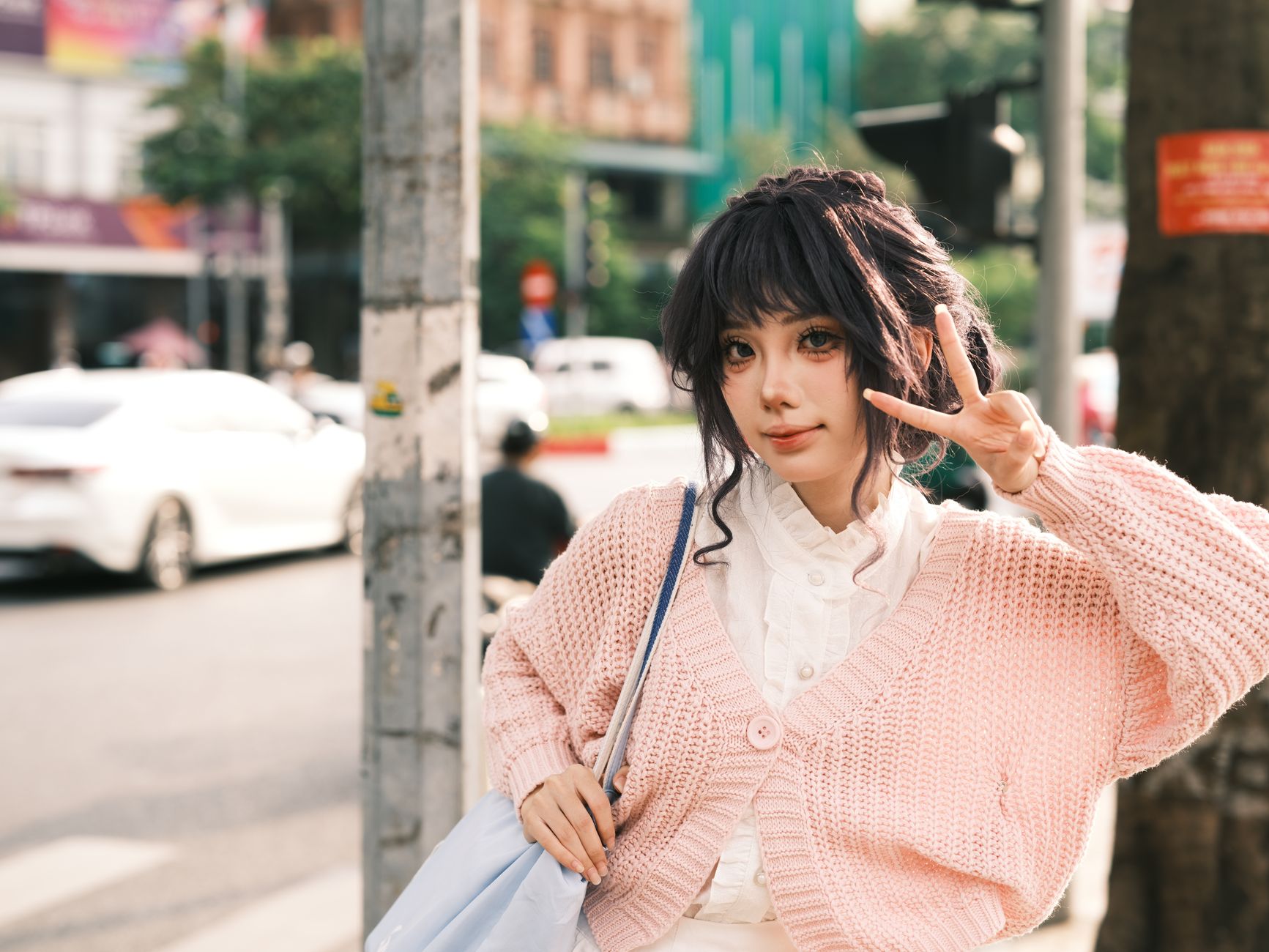
The Asian fashion aesthetic’s emphasis on longevity over trends creates inherent sustainability benefits. Pieces designed to look good for years rather than seasons reduce consumption and waste. Timeless silhouettes mean your purchases remain wearable long after they arrive. The curation here amplifies this effect by selecting pieces that age gracefully and stay relevant across multiple seasons and styling contexts.
Additionally, sourcing from multiple designers rather than producing massive volumes of identical pieces keeps inventory efficient. There’s less waste and pressure to move merchandise at discounted clearance prices. The model aligns with how conscious consumers actually want to shop buy less, buy better, keep things longer and enjoy them more fully.
Starting Your Journey
If you’ve never shopped Asian fashion before, YesStyle provides an accessible entry point with thoughtful curation and customer support. Start by exploring categories that interest you, whether casual wear, formal pieces or specific styles like aesthetic or vintage-inspired designs. Read customer reviews with photos to see how items look in real life on diverse bodies and frame types. Begin with one or two pieces to experience quality and fit personally.
Once you’ve discovered how Asian fashion design philosophy differs from Western approaches, you’ll understand why millions of people have made this their primary shopping destination. Explore their current collections at YesStyle and discover how global fashion accessibility is transforming personal style and wardrobe confidence worldwide.
About The Author